
Kit History
Newton Heath
1892
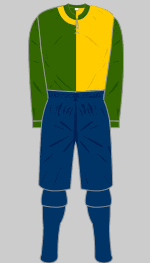
1892-1893 A o
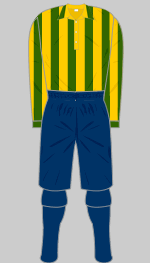
1894-Jan 1899 o x v
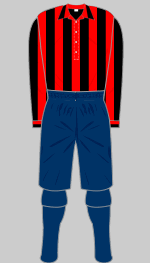
Jan 1899-1902 c
Manchester United
1902
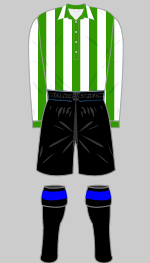
1902-1903 A c
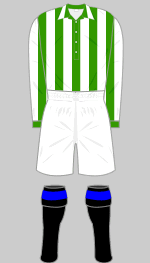
1903-1905 A o
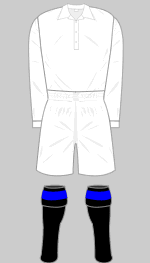
1905-1906 A
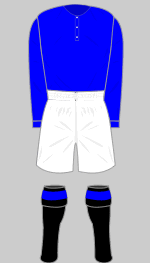
1906-1907 A
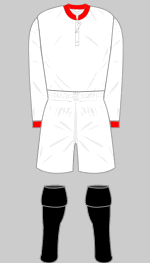
1907-1910 A c o
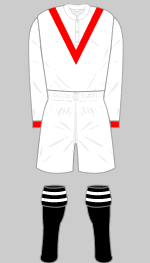
12 April 1909 c
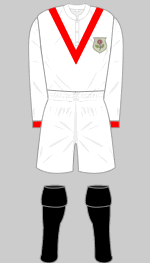
1909 FA Cup Final v

October 1909 c
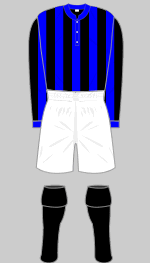
March 1910 d
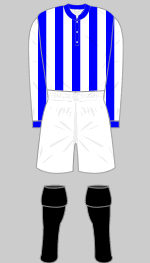
1910-Oct 1913 A c o
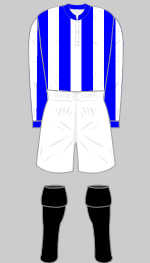
Nov 1913-1921 A c o v
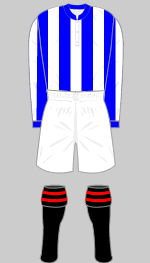
1921-1922 A o v
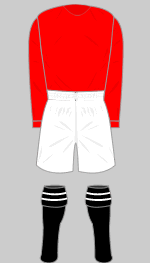
1922-1924 A v
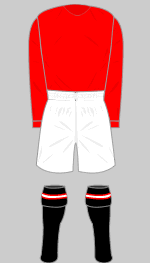
1924-1926 A o v
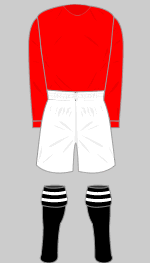
1926-1927 A v
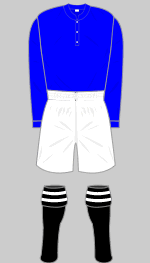
1927-1930 c
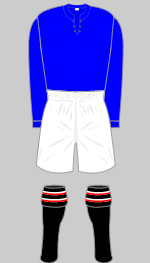
1930-1931 A c
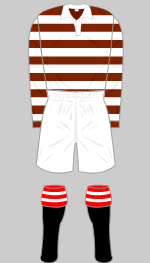
1932-March 34 A y
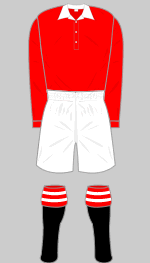
March-May 1934 A y
1934-1936 A
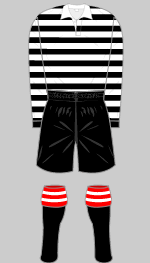
1936-1938 A v
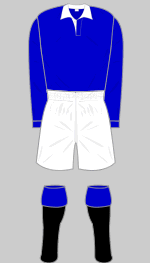
1938-1946 A c
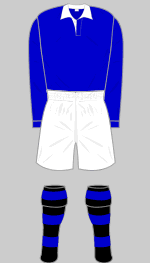
1946-1948 A
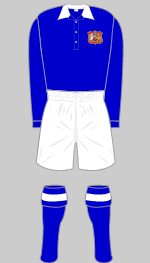
1948 FA Cup Final
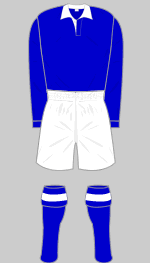
1948-1949 A
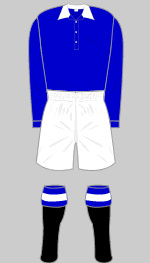
1949-1956 A
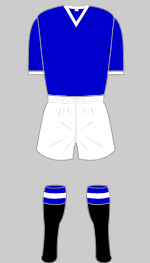
1956-Apr 1957 A
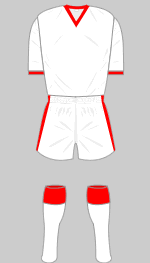
April 1957-1959 A o
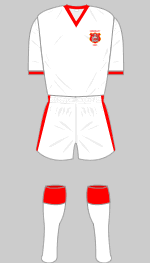
1957 FA Cup Final
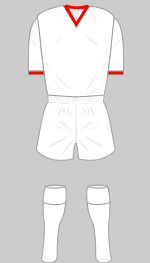
1959-1960 A
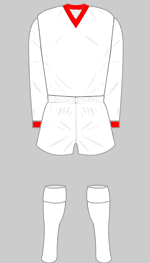
1960-1961 a
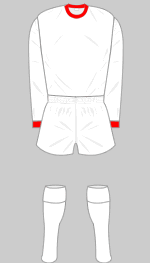
1961-1963 A o
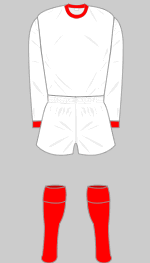
1963-1965 A c o
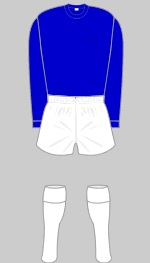
1964-1968 3rd a c m
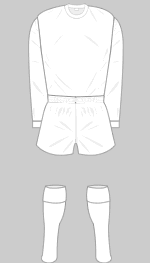
1965-1967 A a
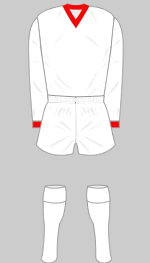
1965-1966 Eur c o
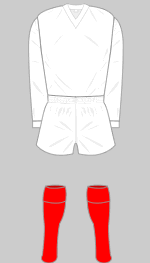
1967-1968 A o
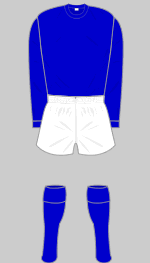
1967-1971 3rd c o
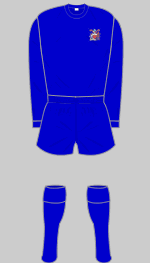
EC Final 1968
1968-1971 A1 a c
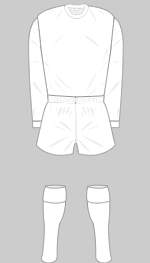
1968-1971 A2 a c
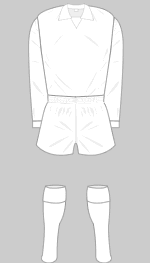
1971-1972 A a c
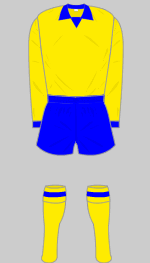
1971-1972 3rd o
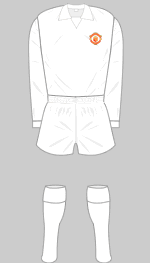
1972-1975 A a c o
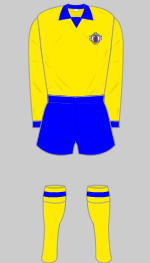
1972-1974 3rd c o
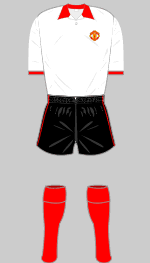
1974-1975 A2 c
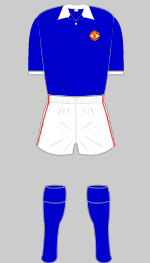
1974-1975 3rd c v
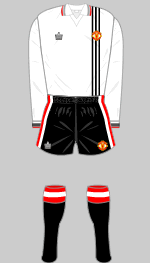
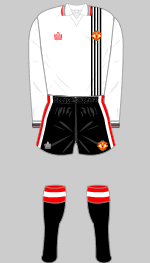
Oct 1975-1976 c
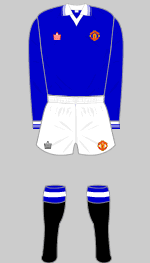
1976-1979 3rd
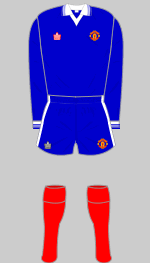
1976-1977 Eur o
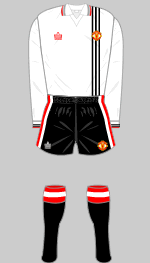
1976-1978 A o

1977 Charity Sh'ld a o
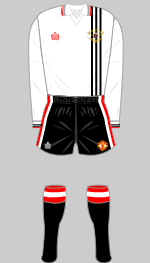
1978-1979 A
1979-1980 A
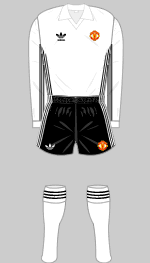
1980-1982 A
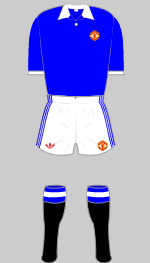
1980-1981 3rd a y
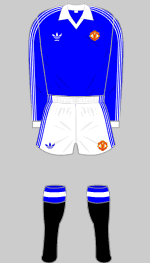
1981-1982 3rd y
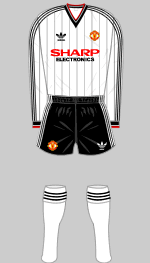
1982-1984 A
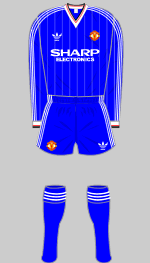
1982-1983 3rd
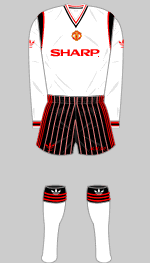
1984-1986 A
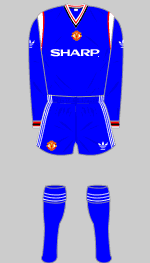
1984-1986 3rd
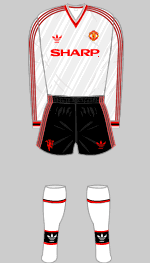
1986-1988 A
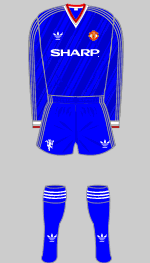
1986-1988 3rd
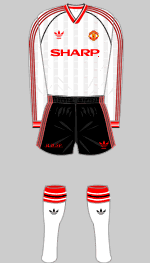
1988-1990 A

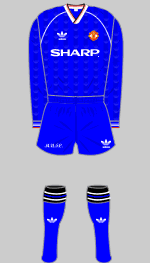
1988-1990 3rd
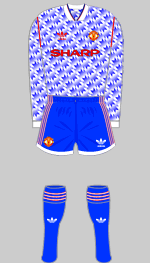
1990-1992 A
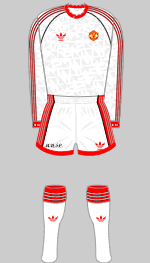
1991 ECWC Final
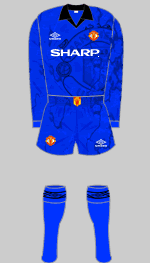
1992-1993 A
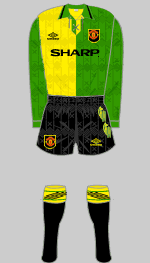
1992-1994 3rd
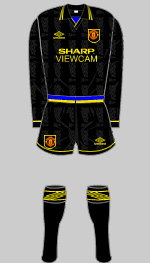
1993-1995 A
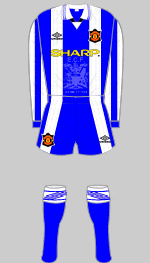
1994-1996 3rd
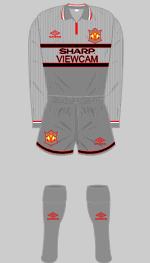
1995-1996 A
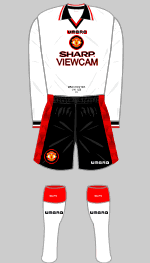
1996-1997 A
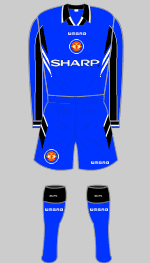
1996-1997 3rd
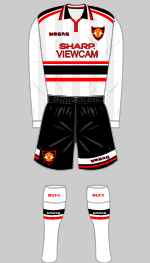
1997-1999 A

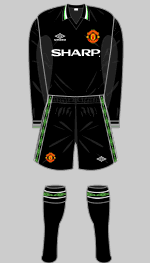
1998-1999 3rd
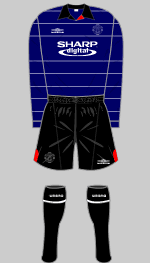
1999-2000 A
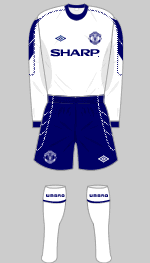
1999-2000 3rd
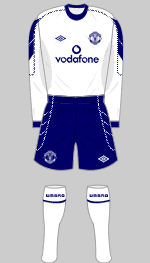
2000-2001 A
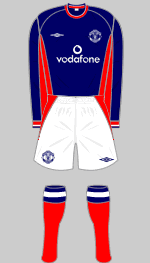
2000-2001 3rd
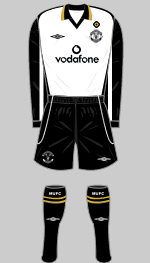
2001-2002 A
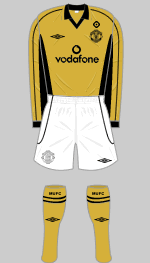
2001-2002 3rd
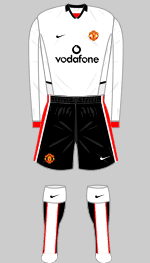
2002-2003 A
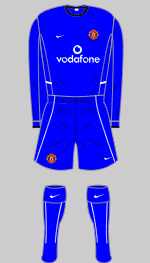
2002-2003 3rd
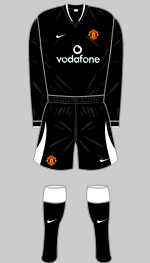
2003-2005 A
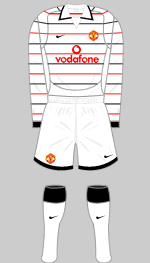
2003-2005 3rd
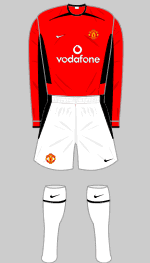
2004 FA Cup Final
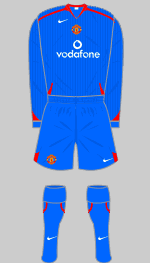
2005-2006 A

2006-2007 A
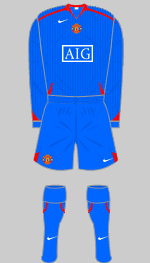
2006-2007 3rd
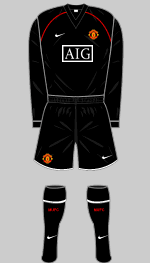
2007-2008 A
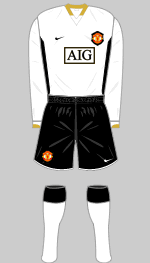
2007-2008 3rd
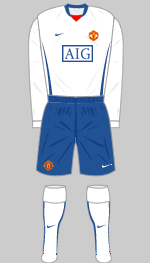
2008-2009 A
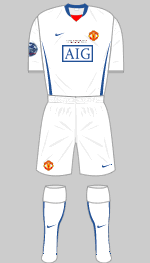
CL Final 2009
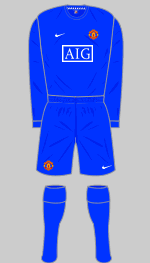
2008-2009 3rd
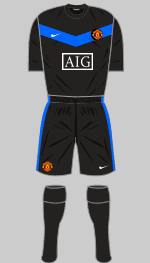
2009-2010 A
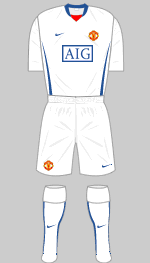
2009-2010 3rd
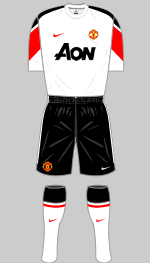
2010-2011 A
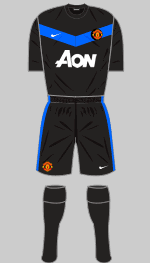
2010-2011 3rd
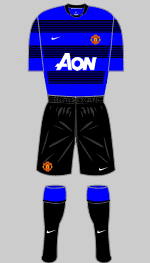
2011-2012 A
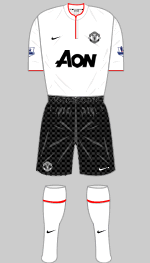
2012-2013 A
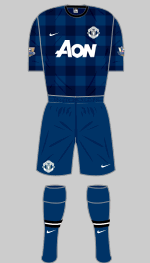
2013-2014 A
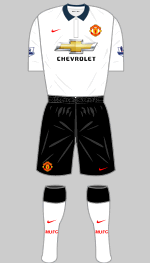
2014-2015 A
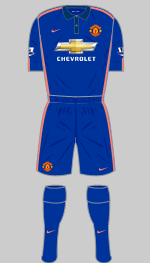
2014-2015 3rd
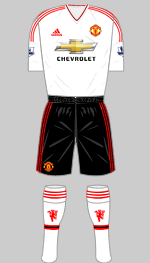
2015-2016 A
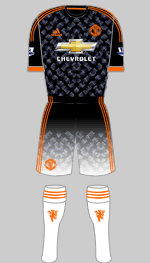
2015-2016 3rd
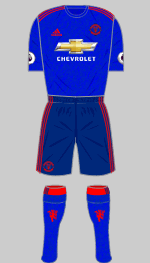
2016-2017 A
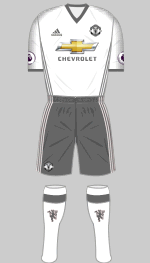
2016-2017 3rd
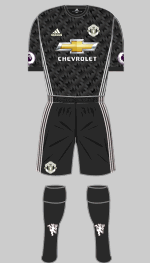
2017-2018 A
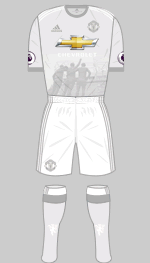
2017-2018 3rd
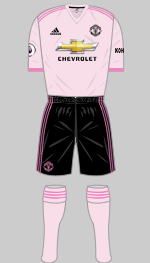
2018-2019 A
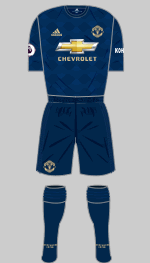
2018-2019 3rd
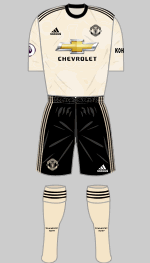
2019-2020 A
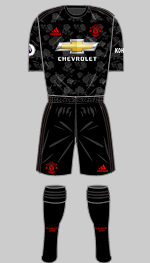
2019-2020 3rd
Background
 Until 1892 Newton Heath was the works team of the Lancashire & Yorkshire Railway but a row over the use of their North Road ground led to a split. The team bought a new set of red and white shirts sometime around 1888 and it is believed they used their old green and gold shirts, the colours of the railway company, as a change strip.
A match report of a game against Walsall (January 21 1899) mentions that for part of the game the Heathens wore "a black and red combination, the which was shortly exchanged for the rightful colours." It is unclear if these tops were borrowed because of an anticipated colour clash or were their regular alternative.
In 1902 Newton Heath became Manchester United, wearing the simple red and white strip that would become world famous. According to the Western Daily Press (22 Sept 1902 researched by Danial Gellatly) they wore green and white when they visited Bristol City at the start of the season. Further research by Paul Nagel and Tim Ashmore has established that green and white striped shirts were United's regular alternative between 1903 and 1908. In the FA Cup final of 1909 an all-white strip with a red V was worn because of a clash with Bristol City (who wore blue). This strip was also used a few weeks earlier in a league game against Bristol City but without the Lancashire rose crest.
In 1922 United adopted the white shirts with red V worn in the 1909 final as their first choice colours in an effort to change their waning fortunes. Plain red shirts were worn when a change was needed.
In 1932 the team adopted maroon and white hooped shirts as their change kit. After several away wins this became United's lucky strip and in March 1934 were adopted as first choice. When, in 1935-36 the familiar red shirts were restored, the hoops were again used as change shirts. Later plain blue shirts with white collars were adopted and were used well into the 1950s.
In the mid-1950s the Busby Babes emerged wearing a new and modern lightweight kit which was produced in all-white with red trimmings when a colour clash required a change. White now became the alternative of choice until 1970 although blue shirts did reappear once or twice, most notably on a remarkable night at Wembley in May 1968 when United became the first English team to win the European Cup in an all-blue kit.
In the 1970s United followed the trend for yellow and blue change kits, which lasted until Admiral arrived in 1975. Their novel change kit design featured three narrow vertical stripes on the left hand side of the shirt and black shorts, which were frequently paired with their red shirts away from home. After Adidas raised objections, four vertical stripes were introduced on the shirts in October 1975 but the original design was reinstated the following season.
In 1980 Adidas replaced Admiral in what would prove to be a long association with the Old Trafford club. Over the next 11 years United wore variations on two basic alternative strips, white shirts with black shorts or all-blue. Adidas' last effort combined both styles with an unusual white and blue patterned shirt.
For the next decade Umbro were reinstated and they introduced all manner of innovative designs. Their reinterpretation of United's all-blue strip featured a large club badge embossed into the fabric while their third kit revived Newton Heath's green and gold halved tops, part of a wave of retro designs that swept through the game. The all-black away strip introduced in 1993-94 was the first of its kind and marked the relaxation of rules that banned black shirts with the launch of the Premier League. The blue and white third kit adopted 1994-96 may have been inspired by United's original striped change shirts and were famously used in the second half of the game at Southampton on April 13 1996. United were trailing 0-3 at half-time and Alex Ferguson famously blamed the grey kit for his players inability to pass to each other. The grey kit was never worn again after this. The blue and white outfit, incidentally, had the badge worn in the 1968 European Cup win embossed into the fabric.
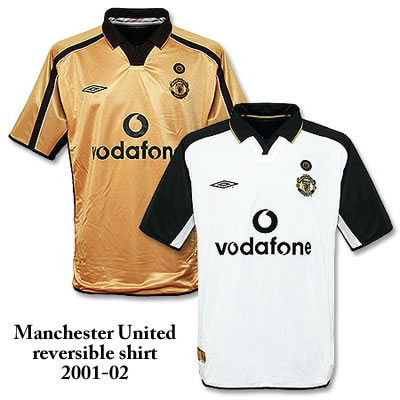
In 1997, United introduced a special kit for European matches featuring a collar slightly different to their normal home kit and white stockings in place of black. In the late '90s an all-black kit with fluorescent green trim appeared, followed by variations on navy and white themes. United were one of the leading clubs that attracted considerable criticism for exploiting the replica kit market and in 2001, Umbro came up with a novel response, creating the first reversible shirt. These were white on one side and metallic gold when turned inside out, so supporters had both away and third shirts in one purchase. The players had separate white and gold sets which were not reversible.
The following season, 2002-03, Nike became United's kit partner in a world record 13-year sponsorship deal worth £303m. Their designs for the club's away and third kits used a restricted and traditional pallette of white, black or blue with typically minimalist trim.
You are welcome to Contact Me with corrections and additions.
Sources
- With acknowledgements to John Devlin's True Colours Vol 1
- a Tim Ashmore
- b Alexander Howells
- c unitedkits.com has details of all the variant change strips worn by United.
- d Sheffield Evening Telegraph (9 March 1910) submitted by Tony Sealey
- m Pete's Picture Palace
- o Paul Nagel
- x Alan Brennan
- y John Bailey
- A = Away (change) kit
- 3rd = Third choice kit
- EC = European Cup
- EUR = European kit
- Eur = European change kit
- ECWC = European Cup Winners' Cup
- Note ii: The blue shirts were worn only once, at The Dell against Southampton. The management realised that both their red home shirts and white change tops would clash with Southampton's kit and a set of blue shirts from the 1974-75 season were pressed into service.