



Kit History

1888-1910
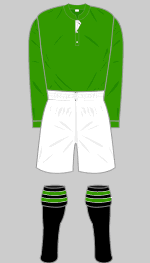
1910-1918 A
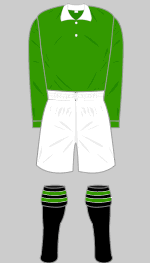
1918-1919 A
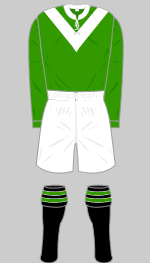
1919-1920 A
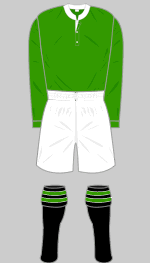
1921-1922 A
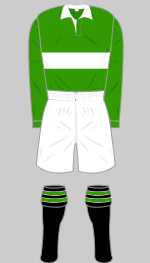
late 1922-1923 A
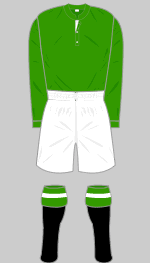
1923-1924 A
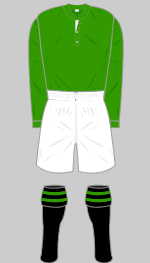
1924-1925 A
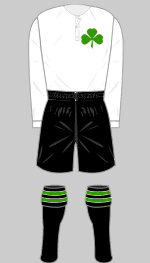
1925-1926 A
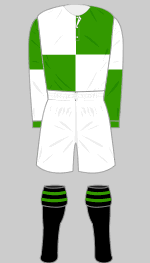
1926-1927 A (1)
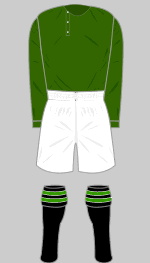
1926-1927 A (2)
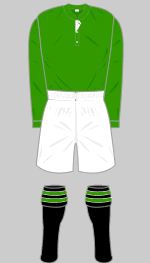
1927-1928 A
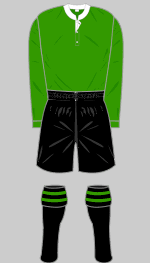
1928-1929 A
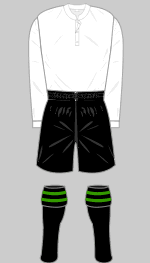
1929-1930 A
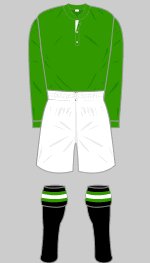
1930-1933 A
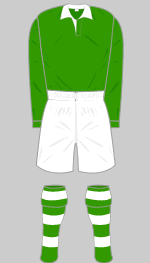
1934-1935 A

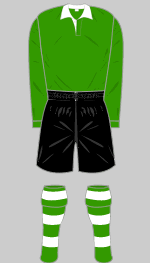
1935-1936 A
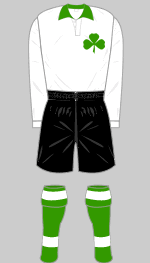
1948-1949 A

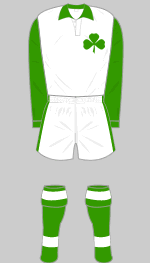
1955-1958 A
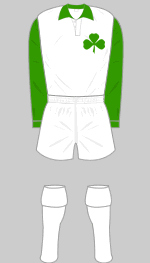
1958-1960 A
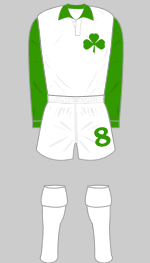
1960-1965 A
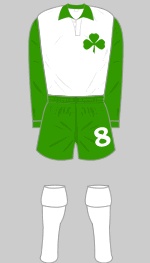
1960-1964 3rd
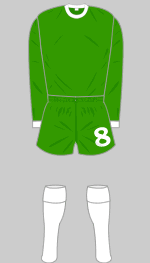
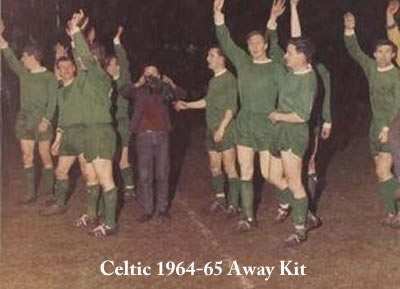
1964-1965 3rd
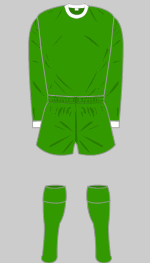
1965-1966 A
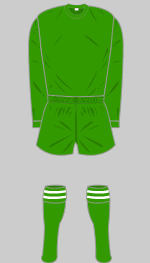
1966-1967 A
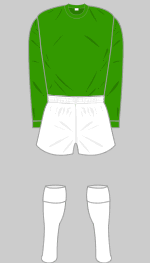
1967-1968 A
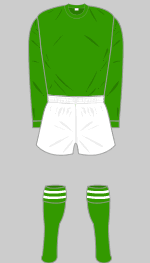
1968-1972 A
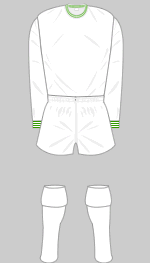
1968-1969 3rd
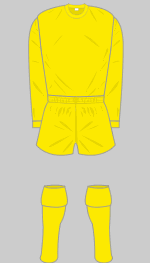
1970-1971 3rd
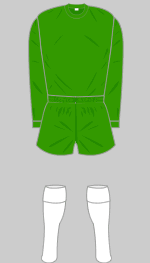
October 1972
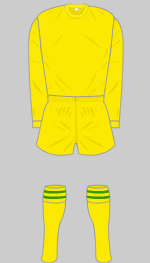
December 1972
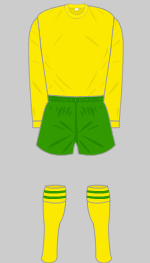
March 1973
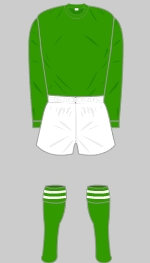
April 1973
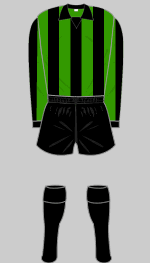
1973-1975 A
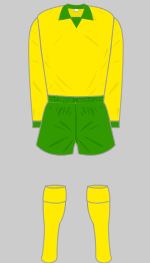
1975-1977 A
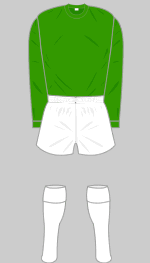
1977-1978 A
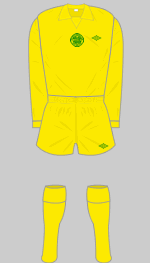
1977-1978 3rd
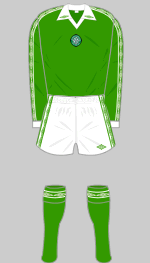
1978-1982 A
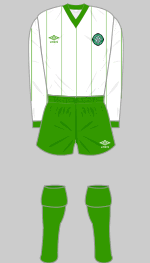
1982-1983 A
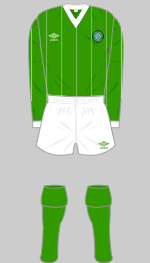
1982-1983 3rd
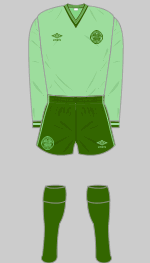
1983-1984 A
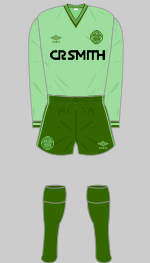
1984-1986 A
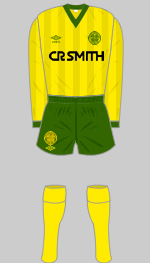
1984-1985 3rd
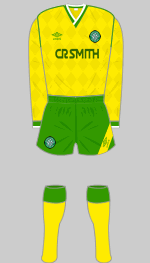
1986-Dec 1987 A
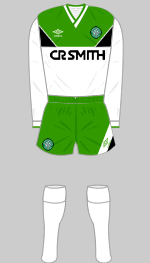
1986-1987 3rd
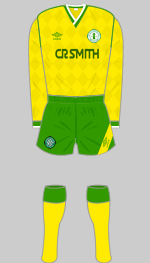
Jan-Dec 1988 A
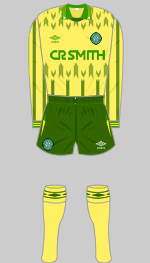
Jan 1989-1991 A
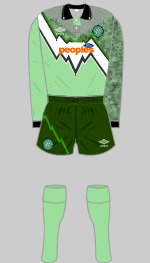
1991-1992 A
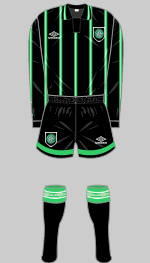
1992-1993 A
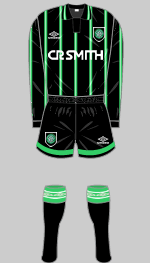
1993-1994 A
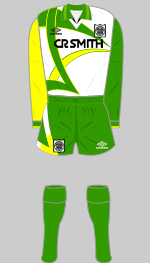
1994-1995 A

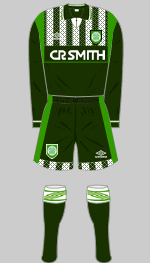
1994-95 3rd 95-96 A
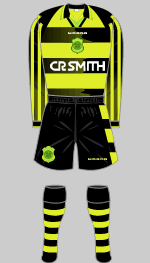
1996-1997 A
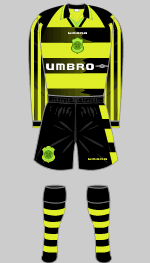
1997-1998 A
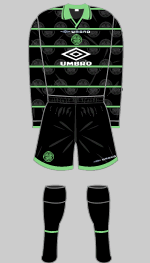
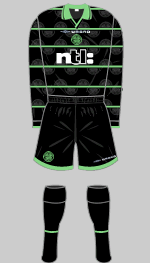
1999-2000 A

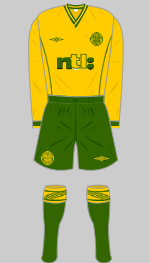
2000-2001 A
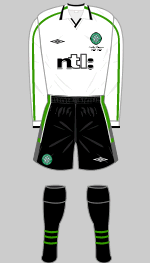
2001-2002 A
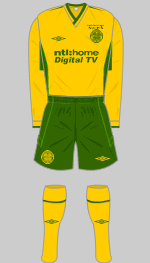
2002-2003 A
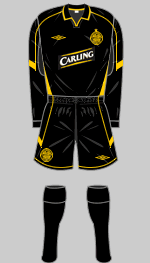
2003-2004 A
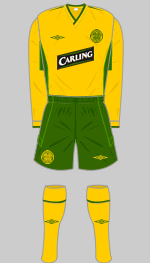
2003-2004 3rd
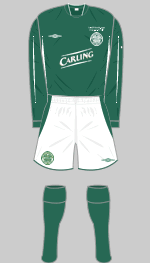
2004-2005 A
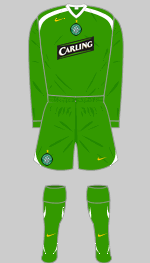
2005-2006 A
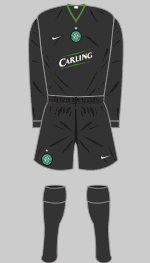
2005-2007 3rd
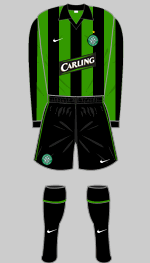
2006-2007 A 07-08 3rd
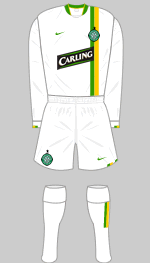
2006-2008 Eur
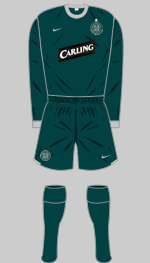
2007-2008 A
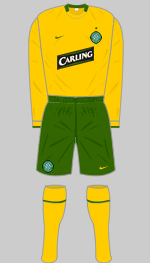
2008-2009 A
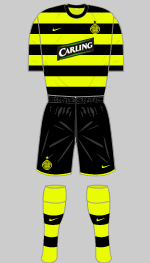
2009-2011 A
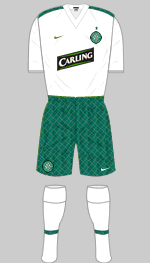
2009-2010 Eur
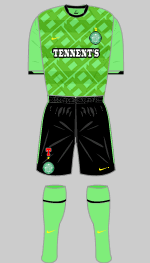
2010-2011 A
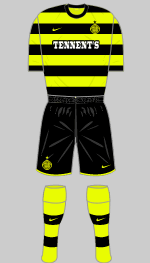
2010-2011 Eur
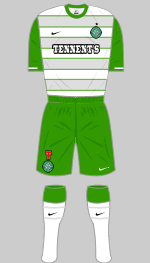
2011-2012 A
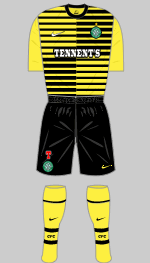
2011-2012 3rd
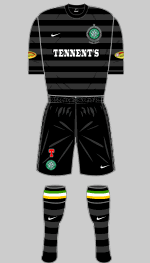
2012-2013 A
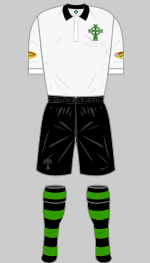
2012-2013 3rd
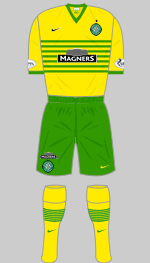
2013-2014 A
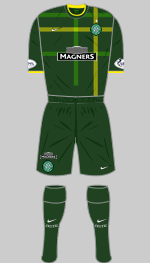
2014-2015 A
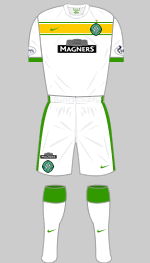
2014-2015 3rd
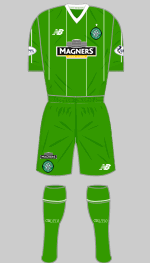
2015-2016 A
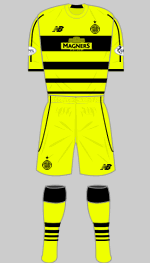
2015-2016 3rd
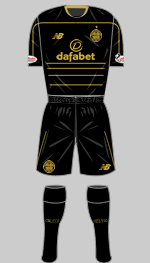
2016-2017 A
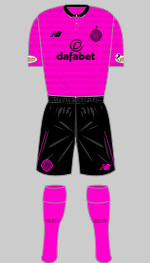
2016-2017 3rd
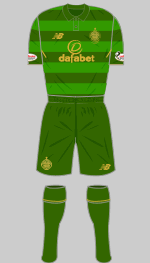
2017-2018 A
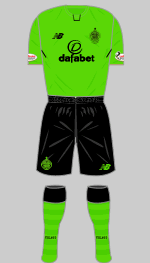
2017-2018 3rd
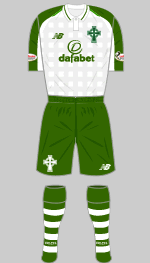
2018-2019 A
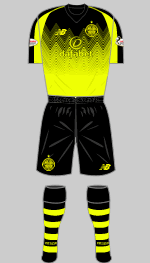
2018-2019 3rd
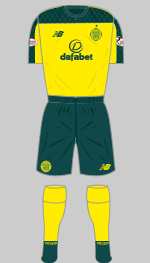
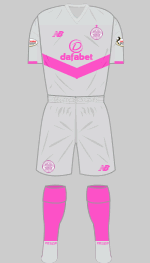
2019-2020 3rd
Background
 Historically speaking, Celtic have rarely resorted to changing from their famous green and white hoops. During the Victorian period, when they wore vertical stripes, it is likely that did not need change shirts at all. An early photograph from 1909-10 shows them playing Leith Athletic (black and white vertical striped shirts, white shorts) in their normal hoops. Until the late 1970s they regularly played Hibernian and neither team changed despite both wearing green and white shirts.
Nevertheless Celtic have had a change strip in the kit hamper since at least 1910, probably for use against the many Scottish teams that have worn hooped shirts down the years. These were normally variations on plain green shirts although in 1925-26, white shirts with a large green shamrock were used. After the Second World War the shamrock idea was revived at first on plain white shirts but later green sleeves were added. This distinctive outfit was used until the mid 1960s when plain green shirts, worn with white or green shorts, came into favour.
In 1970 an all-yellow kit was used for the first time, adding a third colour to the club's pallette which has been used many times since. During the 1972-73 season, the team changed just four times and on each occasion they wore a different strip based on this expanded pallette.
The green and black vertical stripes introduced in 1973 proved popular and were revived as recently as 2006.
For the club's 1983 European campaign a striking kit in two shades of green was introduced and served as a third choice kit in domestic competition the following season. During the 90s kit designers reinterpreted the club's iconic hooped home shirts as far as they dared but there were no constraints on them when designing change strips. Celtic sported (albeit rarely) some extravagant kits during this decade.
Since the turn of the century, the most popular combination has been gold and dark green while black, dark grey and bottle green kits have all made appearances.
The 2012-13 season marked Celtic's 125th anniversary and to celebrate special kits were introduced including a re-creation of the team's first ever strip from 1888, which was used as third choice.
Sources
- With grateful thanks to Alick Milne and Kerrydale Street
- A = Away (Change) Kit
- 3rd = Third Choice kit
- Eur = Third kit for European competition
Photograph courtesy of Kerrydale Street