


Exeter
City
Formed 1901
Founder member of Division Three 1920. Relegated to the Conference 2003
Promoted to League Two 2008.
Kit History
St Sidwell's United
1901
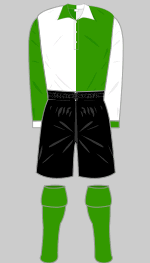
1901-1904 r
Exeter City
1904
1904-1905 r
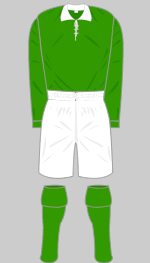
1905-1906 r
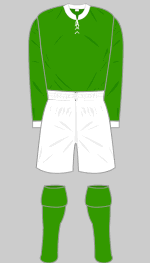
1907-1908 a r
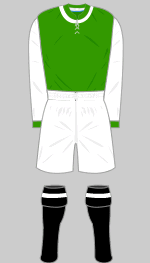
1908-1909 r
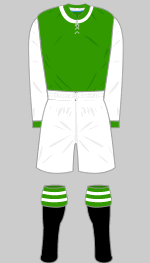
1909-1910 w
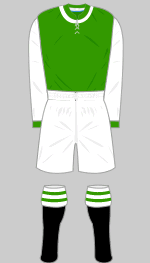
1910-1911 a r
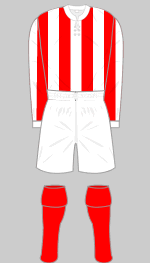
1911-1912 a
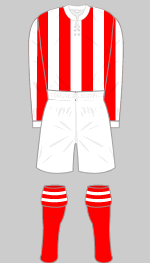
1912-1913 r
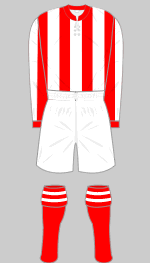
1913-1915 a r
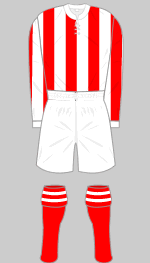
1920-1921 a r
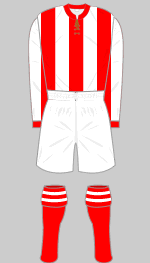
1921-1924 l r s
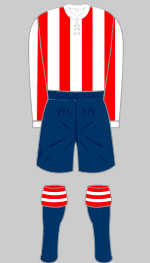
1924-1926 a r t
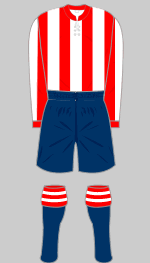
1926-1928 r
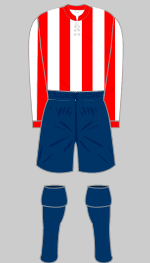
1928-1929 a r
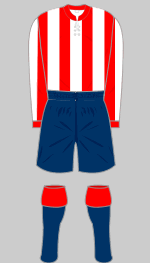
1929-1931 r
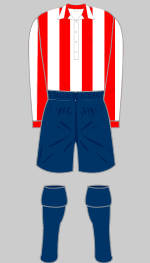
1931-1932 p

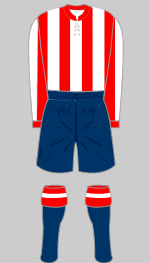
1932-1933 a r
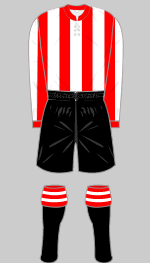
1933-1934 r
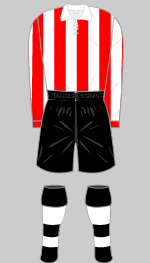
1934-1936 a r v
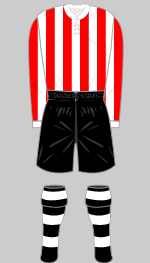
1936-1937 r
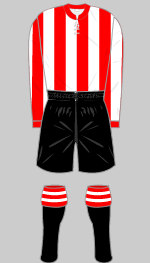
1937-1946 a r w
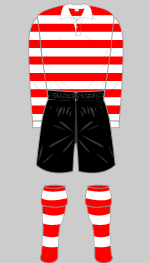
1946-1947 r

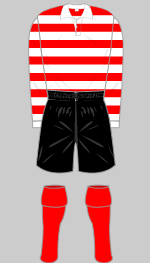
1947-1948 a r
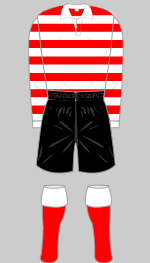
1948-1950 a r
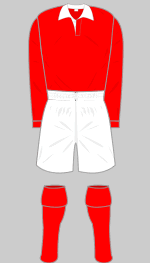
1950-1952 r w
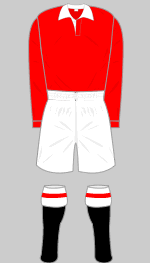
1952-1953 f
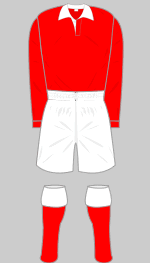
1953-1955 r w
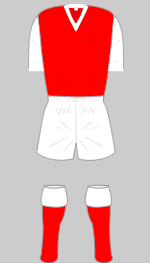
1955-1956 r
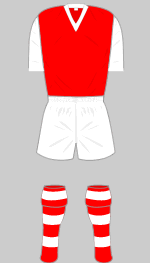
1956-Jan 57 r
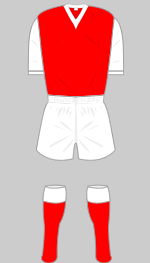
Feb 57-Jan 58 a r
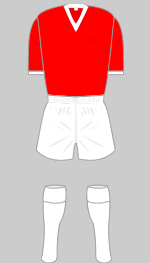
Feb-May 1958 x
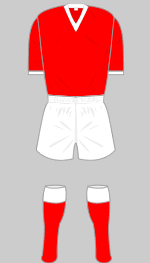
1958-1959 1 r
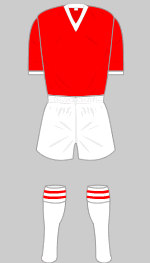
1958-1959 2 r
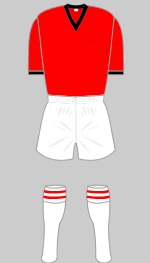
1959-1960 r
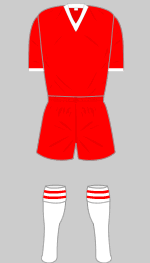
1960-1961 w
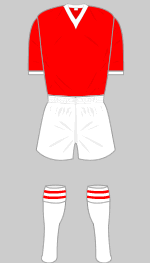
1962-1963 a
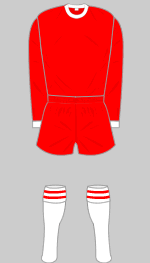
1963-1965 a r
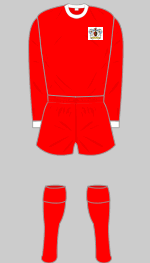
1965-1966 u
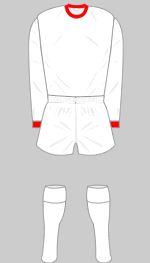
1966-1968 a l
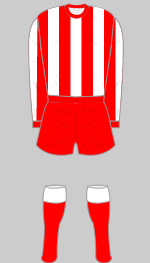
1968-1972 a g l
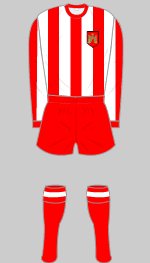
1972-1973 j
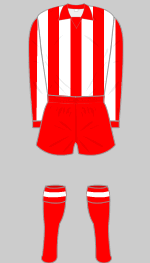
1973-1975 g r
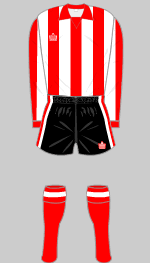
1975-1977 a j
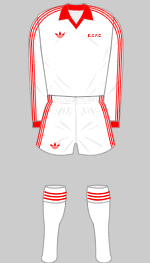
1977-1979 a g j
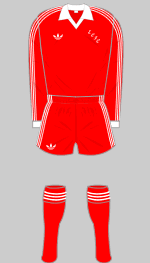
1979-1980 a e
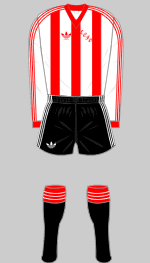
1980-1982 a
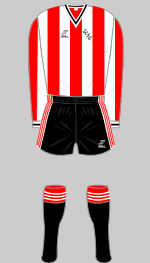
1982-1984 a k
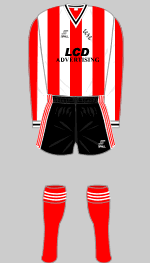
1984-1986 a k r
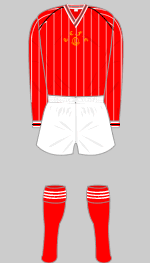
1986-1987 o q
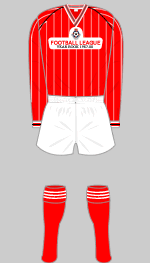
1987-1988 o
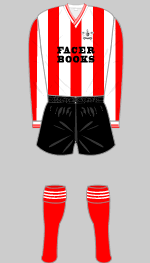
1988-1989 m n
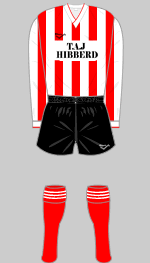
1989-1990 a n
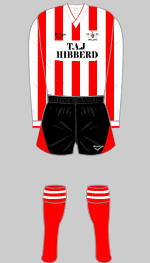
1990-1991 a
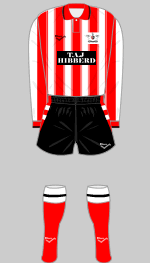
1991-1992 a h
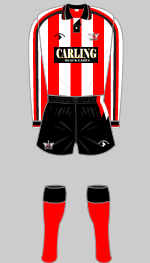
1992-1993 a
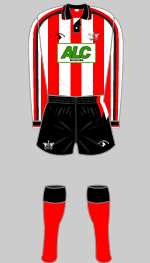
1993-1994 h
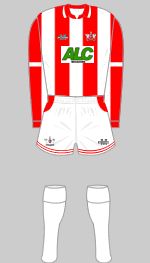
1994-1995 h
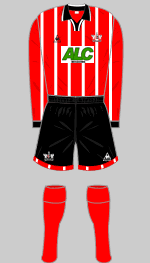
1995-1997 b h
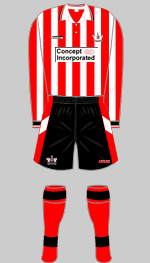
1997-1998 b h
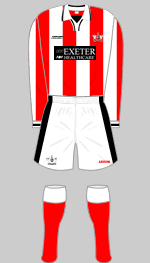
1998-1999 b h
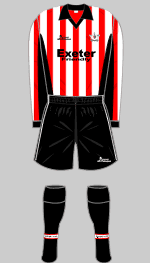
1999-2000 b h l
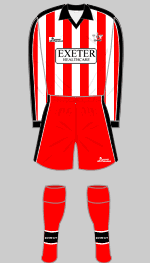
2000-2001 b h l
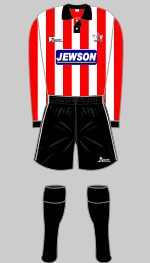
2001-2002 b
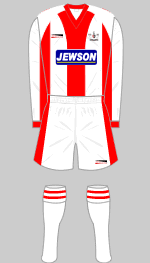
2002-2003 b
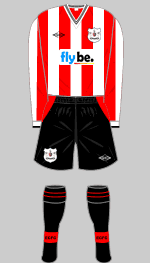
2003-2005 b d
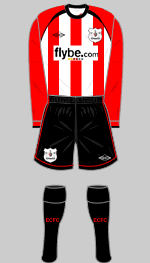
2005-2006 b o
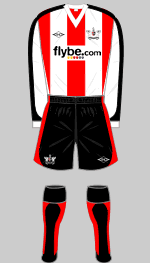
2006-2008 c
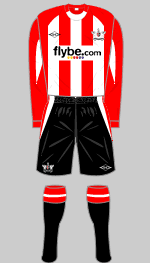
2008-2009 c
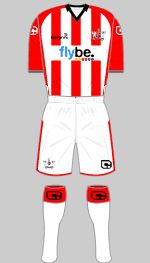
2009-2010 c
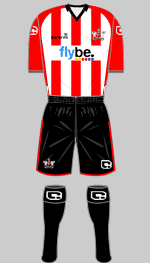
2010-2011 c
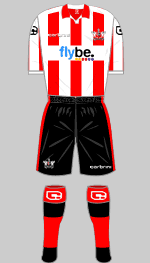
2011-2012 c
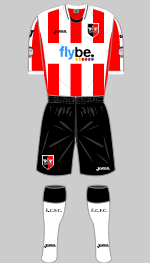
2012-2014 c
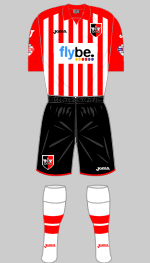
2014-2015 c
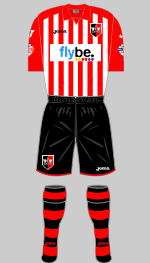
2015-2016 c
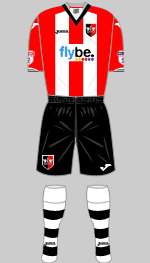
2016-2018 c
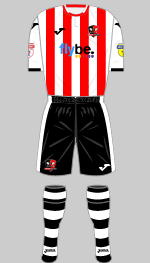
2018-2019 c
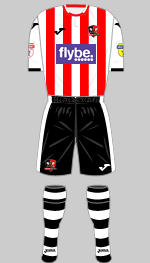
2019-2020 c
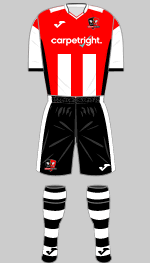
2020-2021 c
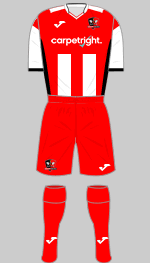
2021-2022 c
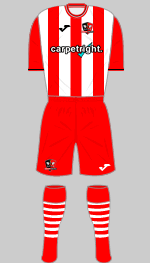
2022-2023 c
Background
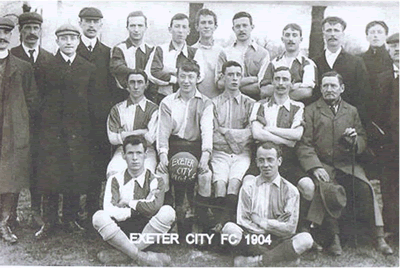 In 1901 St. Sidwell's United FC drawing players from Exeter Wesleyan United, which included a number of old boys from St.
Sidwell's School. After winning the East Devon League at
the first attempt in 1903-04, the committee changed the club's name to Exeter City AFC, keeping their green and white colours and moving up to the Plymouth & District League. At the same time they moved into St James' Park, their home to this day.
In 1901 St. Sidwell's United FC drawing players from Exeter Wesleyan United, which included a number of old boys from St.
Sidwell's School. After winning the East Devon League at
the first attempt in 1903-04, the committee changed the club's name to Exeter City AFC, keeping their green and white colours and moving up to the Plymouth & District League. At the same time they moved into St James' Park, their home to this day.
Inhabitants of St Sidwell's parish had been known locally as "Greeks" for at least 300 years according to "Southey's Commonplace Book" published 1669. A century later Andrew Brice suggested in "The Mobiad" (published 1770) that this was a reference to the classical Trojan wars with the Greeks (who lived outside the walls of Troy as the citizens St Sidwell lived outside the boundaries of Exeter). Exeter City became known as "The Grecians."
In 1908 City adopted full-time professionalism and were elected to the Southern League.
The club continued to play in the green and white of the St Sidwell's club until November 1910. According to legend, after a poor start to the season they decided green was an unlucky colour and adopted red and white shirts instead. After a 0-0 draw, City won five games in December and the new colours became established.
Remarkably for such a small club, Exeter embarked on a tour of South America following the 1913-14 season, playing matches in Argentina and Brazil. In 1920, as members of the Southern League, City became founder members of Division Three in 1920. They generally finished in the lower regions of the division.
In 1924 the navy knickers replaced the traditional white but these proved unpopular with at least one local reporter who complained in his column on at least two occasions that the team's washed out jerseys and knickers looked scruffy and compared them unfavourably with Southampton's smart striped shirts and uniformly dark blue knickers.
By the time World War Two brought about the suspension of League football, City had applied for re-election four times. After the war, hooped instead of striped jerseys, then plain red and even Arsenal-inspired red and white shirts were tried but there was no improvement. Indeed City had to apply for re-election three more times between 1951 and 1962.
 In 1964 City achieved promotion for the first time
but after two seasons of struggling, they were relegated back to the basement.
In 1964 City achieved promotion for the first time
but after two seasons of struggling, they were relegated back to the basement.
Promoted again in 1977, the Grecians managed seven seasons in Division
Three before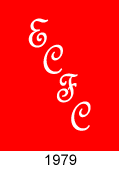 being relegated in 1984 and enduring yet another re-election
application in 1986. During this period a fashionable monogramme was worn on the team's shirts. This was replaced in 1989 by a much more distinctive heraldic design, based on the city's coat of arms.
being relegated in 1984 and enduring yet another re-election
application in 1986. During this period a fashionable monogramme was worn on the team's shirts. This was replaced in 1989 by a much more distinctive heraldic design, based on the city's coat of arms.
In 1990, City achieved their first senior honour by winning
the Fourth Division championship but four years later they dropped back
into the basement division. After struggling near the bottom of the league
for the next eight seasons, John Russell and Mike Lewis took control prior to the 2002-03 season. After a 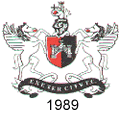 disastrous campaign that saw three different managers come and go, City finished second last and were relegated to the Conference, the first victim of the new two-up two-down arrangement.
Shortly afterwards the club was sold to the Exeter City Supporters' Trust with debts of £4.5m while police investigated allegations of financial mismanagement. The former chairman and his deputy were arrested and in 2007 Russell was sentenced to 21 months imprisonment for fraudulent trading while Lewis was given a community sentence.
 The Supporters' Trust took over the management of the club, succeeded in stabilising City's finances and consolidating their position in the National Conference. In May 2008 Exeter reached the play-off final where they beat fellow former-League members Cambridge United, to regain their Football League status after an absence of five years. On a dramatic final day in May 2009, City clinched promotion to the next level, League
  One.
One.
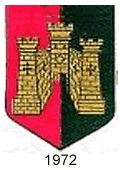
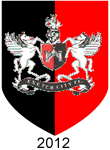
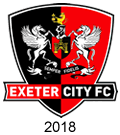
In 2012, now back in the fourth tier, the club gave its crest a slight facelift, restoring the halved shield of the original, 1972 version with the familiar coat of arms superimposed. This was superceded in 2018 by another makeover that introduced the club's name for the first time.
After several years of failures in the play-offs and near misses, Exeter cinched automatic promotion in 2022-23 by finishing second in League Two.
Sources
- (a) Exeter City FC (Images of Sport - Dave Fisher & Gerald Gosling)
- (b) empics
- (c) Official Website
- (d) www.kipax.com
- (e) Ralph Pomeroy
- (f) National Library of Wales
- (g) Pete's Picture Palace
- (h) David King
- (i) Bob Dobley
- (j) Alick Milne
- (k) Gary Parker
- (l) Keith Ellis (HFK Research Associate)
- (m) Neil Le Milliere
- (n) Richard Rundle
- (o) Anthony Borrett
- (p) Kjell Hanssen
- (q) @tribalcolours
- (r) The Grecian Archive was set up by Exeter University in collaboration with the Exeter City FC History Group and includes a fine collection of team photographs
- (s) Athletic News (12 February 1923) submitted by Richard Essen
- (t) Exeter & Plymouth Gazette (27 April 1925, 5 October 1925) submitted by Richard Essen
- (u) The Senior Tigers Club
- (v) Simon Monks
- (w) Michael Gluck
- (x) Peter Stevenson
Crests are the property of Exeter City FC. Photograph courtesy of The Grecian Archive