




Kit History
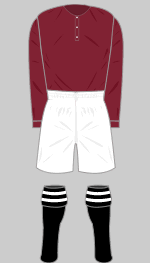
1905-1907 A
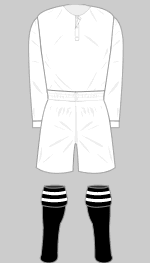
11 Jan 1907 A
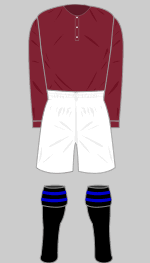
1908-1912 A
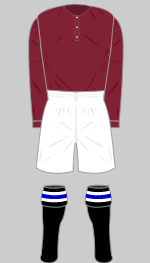
1912-1914 A
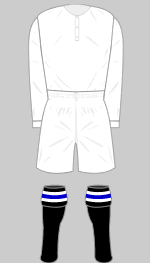
Jan 1913 A
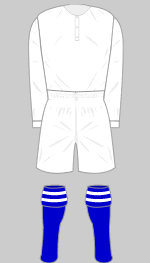
March 1915 A
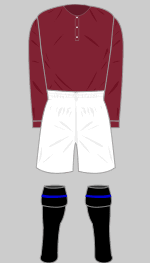
1921-1922 A
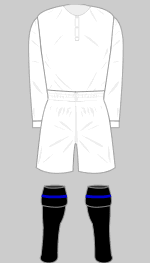
1921-1922 A 2
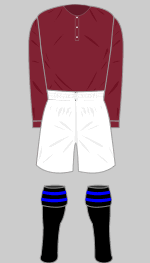
1922-1925 A
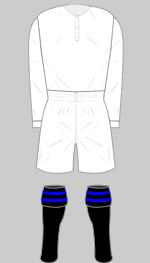
1922-1923 A 2
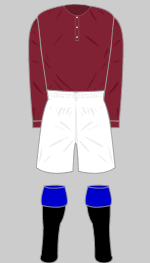
1925-1930 A
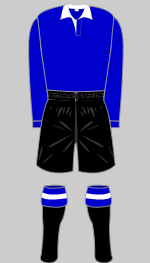
14 Feb 1931
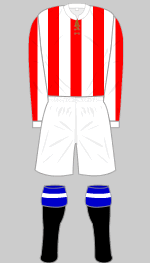
28 Feb 1931
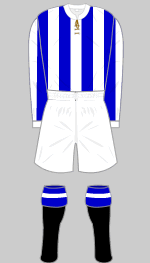
4 March 1932
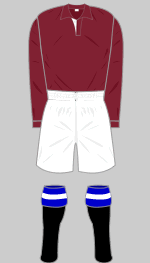
1930-1933 A
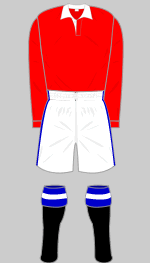
1933-1945 A
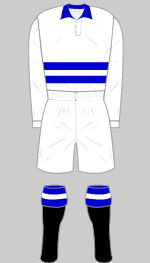
January 1937 A
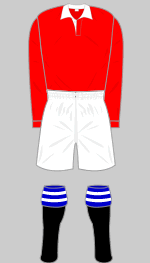
1945-1946 A
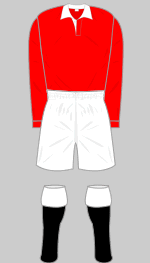
1946-1947 A
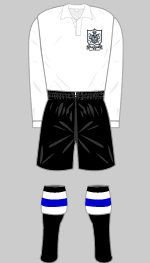
Feb 1950
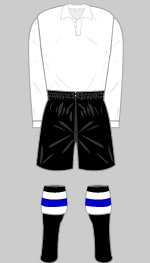
Feb 1953
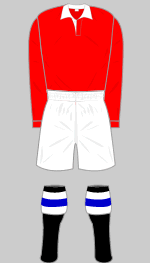
1953-1955 A
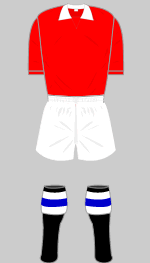
1954-1958 A
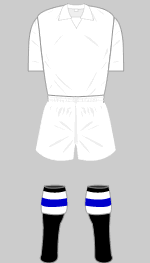
Jan 1956
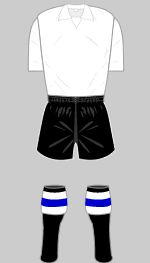
March 1957
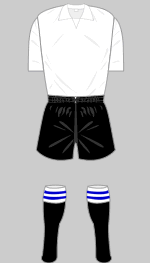
1957-1958 3rd
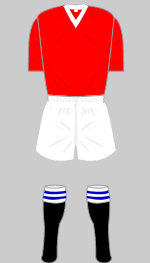
1958-1959 A
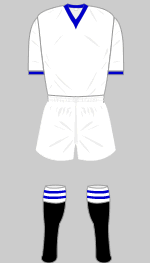
1958-1959 3rd
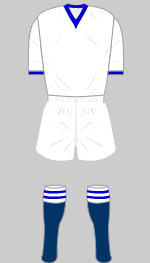
1959-1960 A
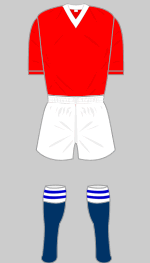
1959-1960 3rd
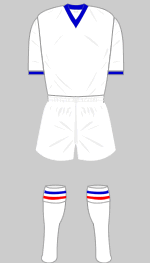
1960-1961 A
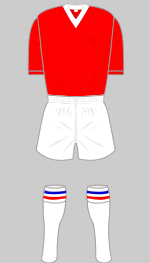
1960-1961 3rd
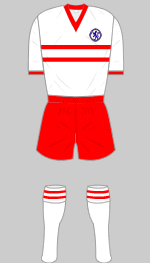
Sept-Oct 1961 A
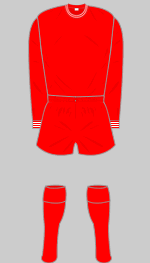
Oct 1961 A
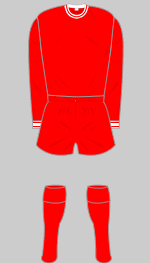
Dec(?) 1961 A
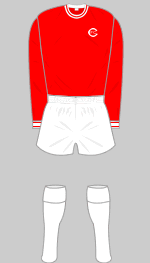
1962-1963 A
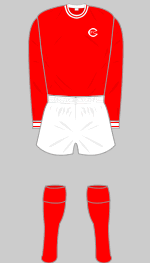
1963-1964 A
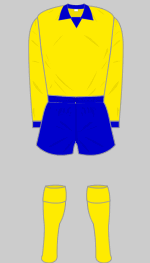
1963-1964 3rd
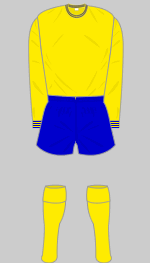
March 1964
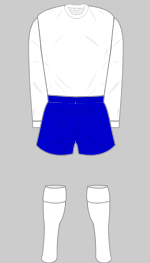
Aug 1963
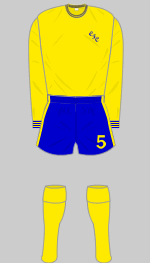
1964-1967 A
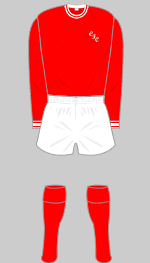
1964-1965 3rd
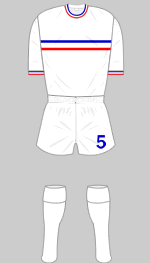
1964 Special
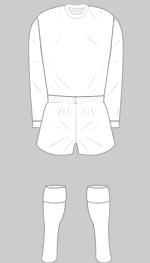
1964-1965 4th
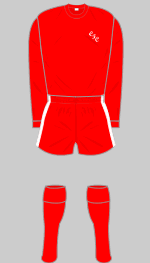
1965-1966 A
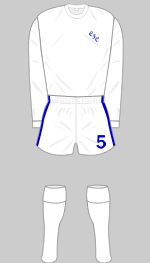
1965-1966 EUR
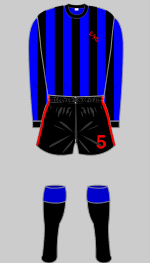
1966 FA Cup SF
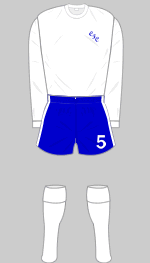
1966-1967 3rd
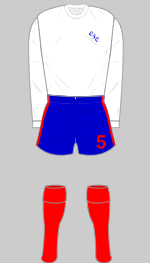
1966-1967 4th
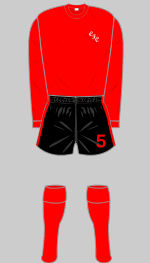
1966-1967 3rd
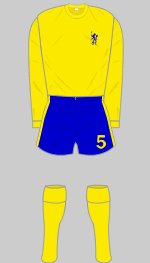
1967-1968 A
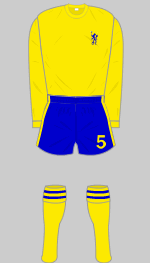
1968-1969 A
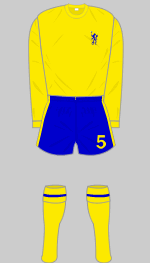
1969-1970 A
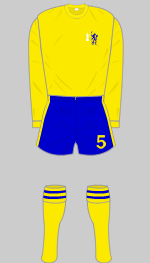
1970-1971 A
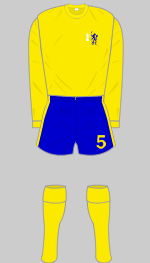
1971-1972 A
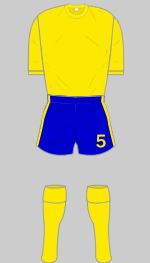
March 1972 A
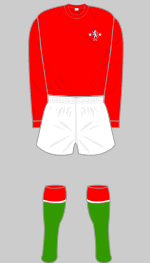
1972-1974 A
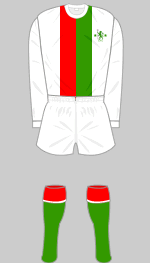
1974-1975 A

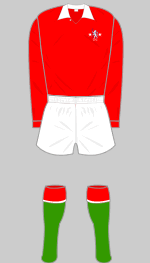
1974-1975 3rd
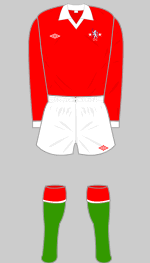
1975-1976 A
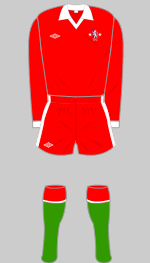
1976-1977 A
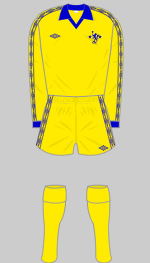
1977-1978 A
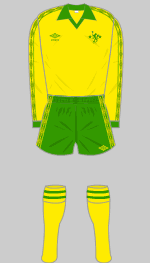
1978-1981 A
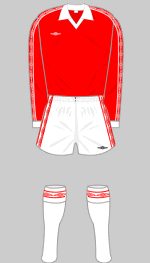
Sept 1979 3rd
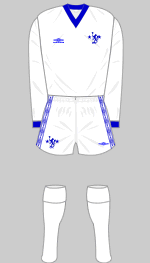
1980-1981 3rd
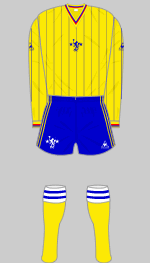
1981-1982 A
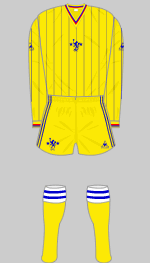
1982-1983 A
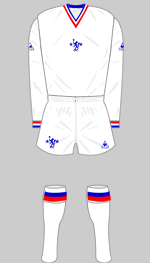
1981-1983 3rd
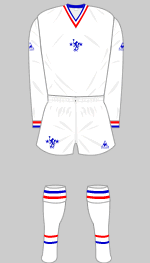
1983-1984 3rd
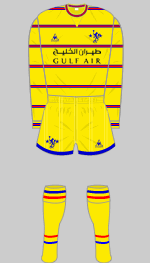
1983-1984 A 84-85 3rd
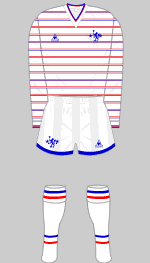
1984-1985 A 85-86 3rd
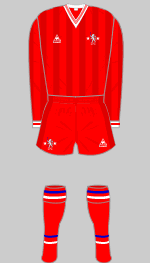
1985-1986 A
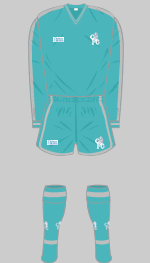
1986-1987 A 1
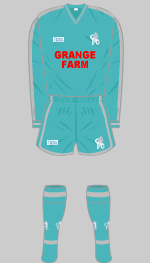
1986-1987 A 2
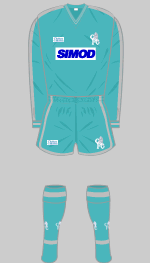
1986-1987 A 4
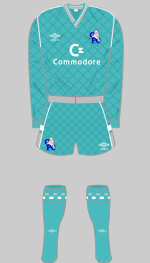
1987-1989 A
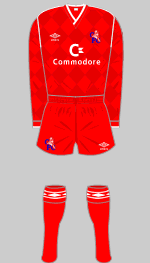
1987-1988 3rd
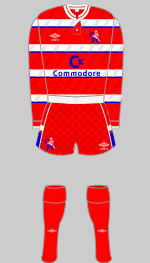
1988-89 3rd 89-90 A

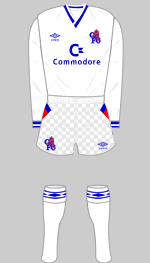
1989-1990 3rd
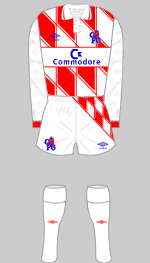
1990-1992 A
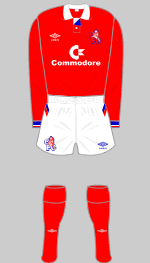
1990-1991 3rd
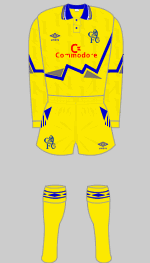
1991-1993 3rd
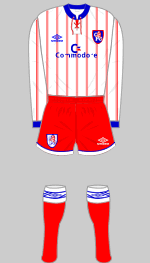
1992-1994 A
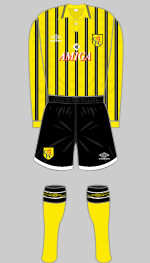
1993-1994 3rd

1994-1996 A
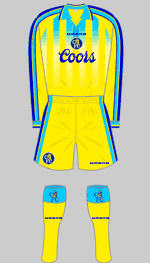
1996-1997 A
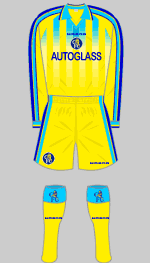
1997-1998 A
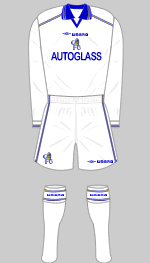
1998-2000 A

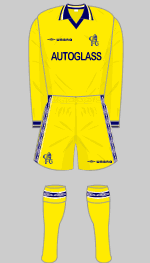
1998-2000 3rd

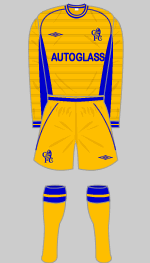
2000-2001 A 01-02 3rd
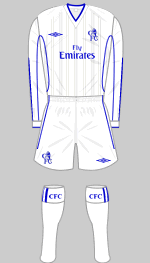
2001-2002 A 02-03 3rd
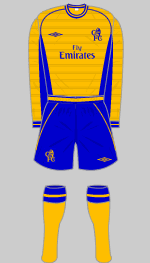
2001-2002 3rd
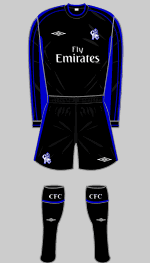
2002-2003 A 03-04 3rd
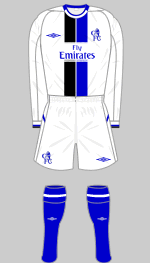
2003-2004 A 04-05 3rd
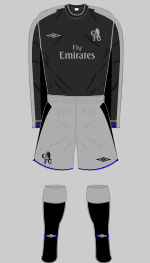
2004-2005 A
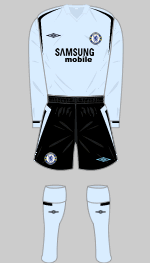
2005-2006 A
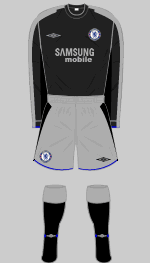
2005-2006 3rd
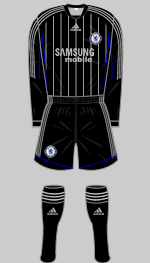
2006-2007 A
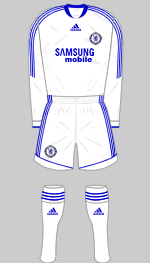
2006-2007 3rd
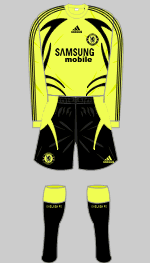
2007-2008 A
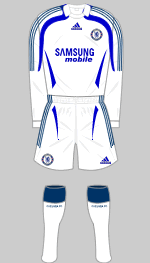
2007-2008 3rd
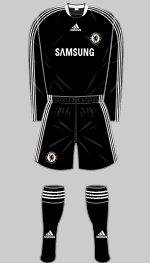
2008-2009 A
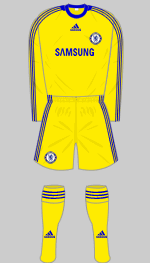
2008-2009 3rd
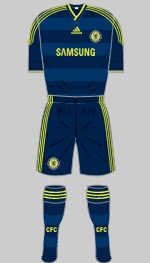
2009-2010 A
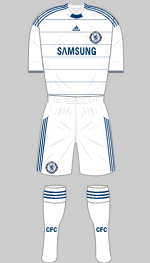
2009-2010 3rd
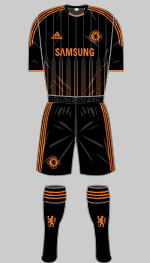
2010-2011 A
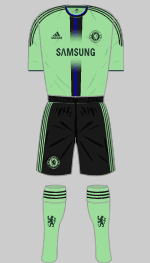
2010-2011 3rd
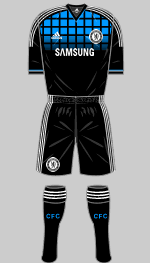
2011-2012 A
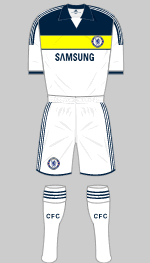
2011-2012 3rd
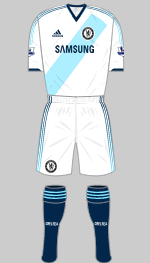
2012-2013 A
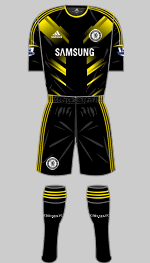
2012-2013 3rd
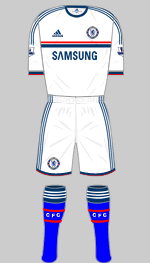
2013-2014 A
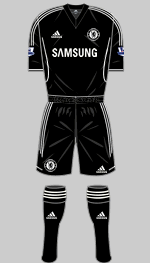
2013-2014 3rd
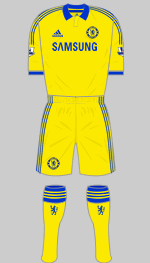
2014-2015 A
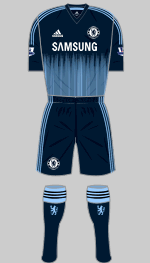
2014-2015 3rd
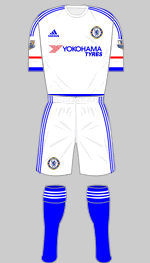
2015-2016 A
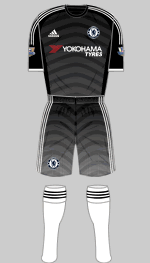
2015-2016 3rd
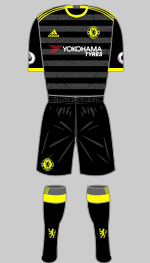
2016-2017 A
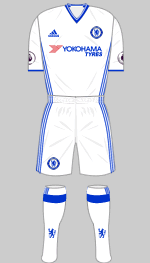
2016-2017 3rd
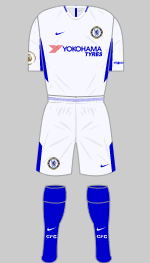
2017-2018 A
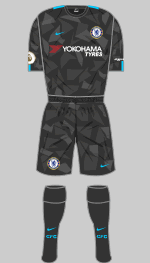
2017-2018 3rd
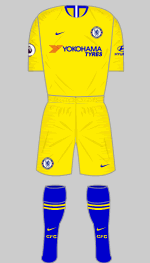
2018-2019 A
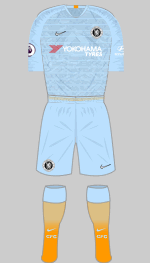
2018-2019 3rd
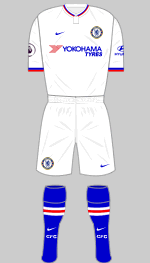
2019-2020 A
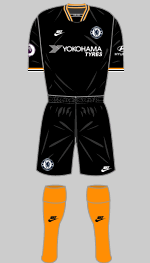
2019-2020 3rd
Background
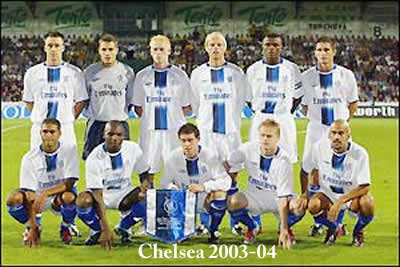 According to the Chelsea Chronicles, the club's official programme, the team wore "Marune" (sic) tops against sides in blue during 1905-06. White was worn in January 1907 in the FA Cup against Worksop Town but this may have been a one-off. The sparse photographic evidence we have otherwise shows Chelsea in dark jerseys against teams in blue until professional football was suspended in 1915.
Maroon remained the alternative of choice at least until 1933. The Portsmouth Evening News (1 December 1934) reported that Chelsea wore red shirts at Fratton Park. We know that a new set of alternate shirts with contrasting white collars has been delivered the previous season so it now appears that the switch from maroon to red occured at the start of the 1933-34 season.
Several one-offs strips appeared in the FA Cup due to the peculiar requirements of the competition regarding colour clashes. These include blue and white striped shirts in the early 1930s and a set of white shirts borrowed from Fulham (including the club crest) for two matches with Chesterfield in 1949-50.
White shirts made a few appearances in the FA Cup during the 1950s and in a floodlit friendly against Sparta Prague.
In September 1961 a brand new change strip featuring red bands on a white shirt was worn at Cardiff. This smart outfit was worn again in October but was then replaced with more conventional all-red strip.
The first yellow and blue kit appeared in 1963-64 and has been a popular choice ever since, alternating with all-white throughout the rest of the decade.
In 1972, Chelsea turned out in red shirts once again, now enhanced with green stockings. Due to a more strict approach to clashes of shorts and/or socks, this strip often appeared with blue shorts from the "home" kit. A third kit in all-white with a broad vertical panel in red and green also appeared briefly.
Yellow and blue returned in 1977 but the following season the blue became green and this combination lasted until 1981.
When Le Coq Sportif took over from Umbro as Chelsea's kit partner, they introduced an elegant all-blue home kit with white pinstripes and red/white trim along with a change kit in yellow and blue and an all-white third choice strip. Between 1983 and 1985 Chelsea wore some adventurous kits with thin horizontal stripes.
In 1986 Chelsea became the first club to market kits under their own brand, The Chelsea Collection, a range that included a dramatic new away strip in "jade." This colour was used the following season when Umbro designed the club's kits, both home and away versions featuring a diamond shaped pinstripe pattern. These were complemented in 1988-89 by an elaborate red third strip with irregular white and blue hoops, an outfit that became the away kit the following season.
The 90s were notable for the introduction of increasingly extravagant designs by the major manufacturers and Chelsea were at the forefront of fashion. Perhaps most noteworthy is the 1994-96 kit in two shades of grey and bright orange. By the end of the decade designs became more restrained and the familiar yellow and blue theme was reinterpreted in 2000 with a smart amber and blue outfit. By this stage Chelsea had adopted the now familiar practice of replacing one of their kits on a two-year rotation.
In 2002 the first all-black kit appeared and has remained a popular choice ever since. The 2005-06 away kit featured pale blue-grey shirts and was the last kit to be designed by Umbro for the club.
In 2006 Adidas took over from Umbro and introduced a complete new set of relatively restrained kits in blue (home), black (away) and white (third). Their 2007 contribution included a garish fluorescent yellow and black affair, however, that was hard to miss and after a few seasons, their designers turned out some very flashy change strips.
Sources
With acknowledgements to John Devlin's True Colours Vol 1 and thanks to Nik Yeomans for his detailed research on the 1954-1982 period.
This section was substantially updated in November 2018 with new material researched and submitted by Nik Yeomans and further contributions from Tony Sealey.